
- Home
- Solar control film
Solar control film
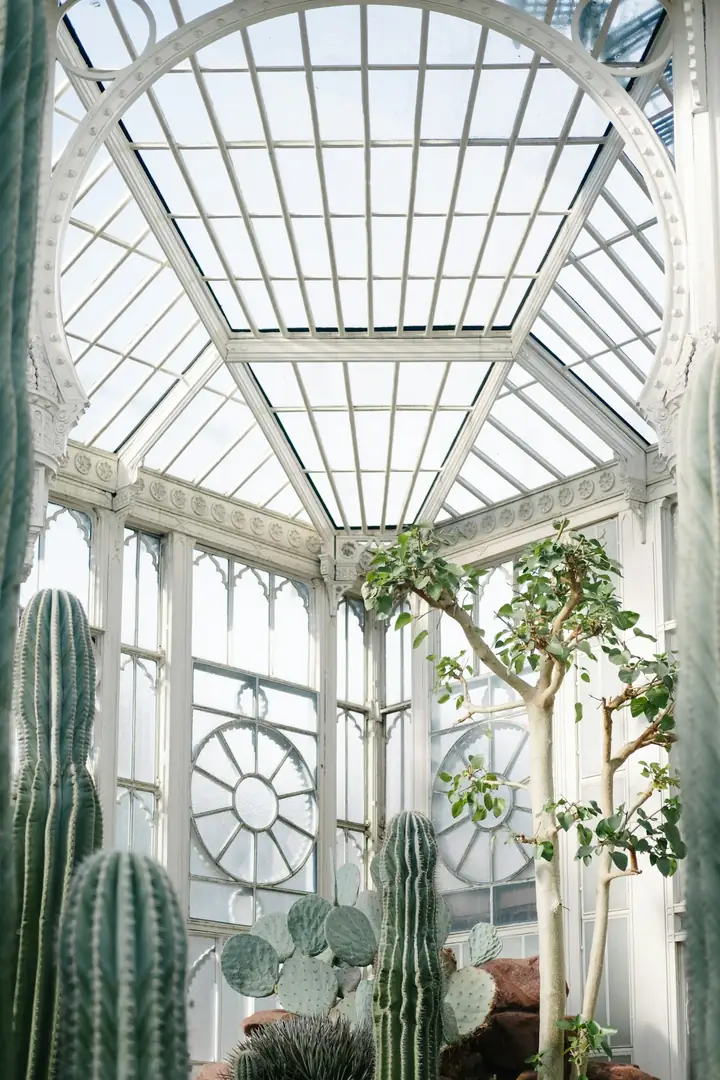
Takes the heat and glare off sunny glass and blocks 99% of UV. For conservatories, bi-folds, skylights, south-facing rooms and offices.
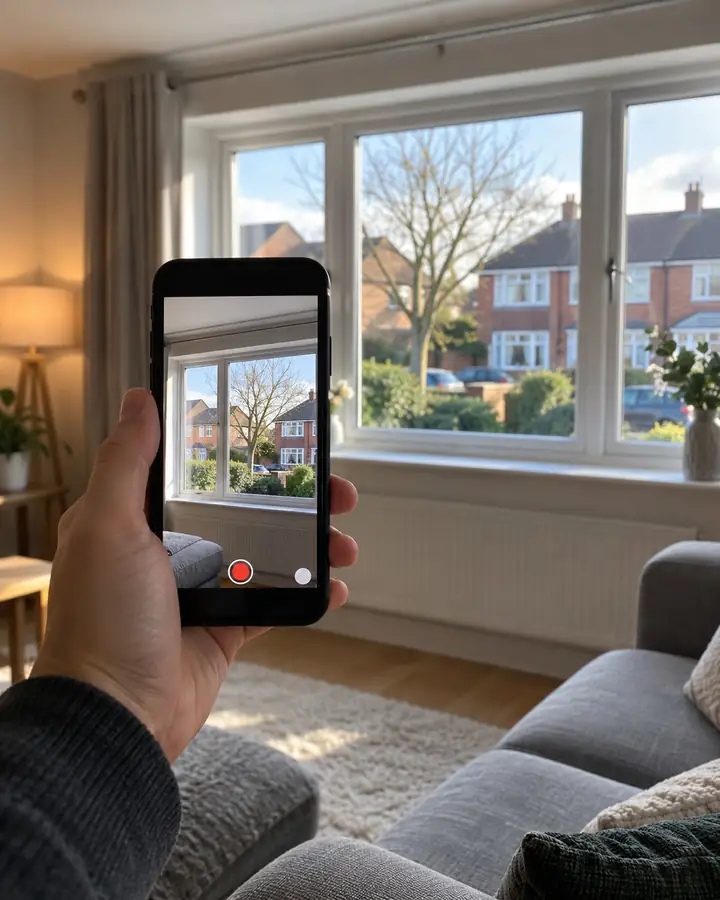
- Free virtual surveySend photos or a video, no home visit
- Fixed written quoteA clear price per window, no obligation
- Glass checked firstEvery film matched to your glass
- Fitted by handNeat edges, dust sheets down, left tidy
How it works
Sunlight carries heat as visible light and infrared. Solar control film reflects or absorbs a share of that energy at the glass, before it gets into the room, so less heat builds up inside.
Films are described by a few numbers. Light let in (VLT) is how much daylight gets through: 70% is barely tinted, 5% is very dark. Solar energy rejected is how much of the sun's total heat the film keeps out. Almost all quality films also block 99% of UV.
The trade-off used to be simple: more heat rejection meant darker or more mirrored glass. Spectrally selective films have changed that. They target the infrared and let most of the visible light through, so you can cut heat without the room going dark.
The options
Send us photos and we'll tell you which suits your windows.
| Film | Light let in | Looks like from outside | Best for |
|---|---|---|---|
| Silver reflective | 15–20% | Mirrored in daylight | Maximum heat cut: conservatories, roof glass, offices |
| Dual-reflective | 15–35% | Mirrored outside, darker inside | Strong heat cut with less reflection indoors at night |
| Neutral tint | 5–50% | Smoked glass | Glare on screens, lounges, home offices |
| Spectrally selective | 50–70% | Close to clear | Cutting heat without darkening: kitchens, bi-folds |
| Clear UV | 80–88% | You can't tell it's there | Fading floors, furniture, artwork, shop stock |
Figures are typical ranges across the films we fit. Exact figures for the film we quote are on its spec sheet.
Where it makes a difference
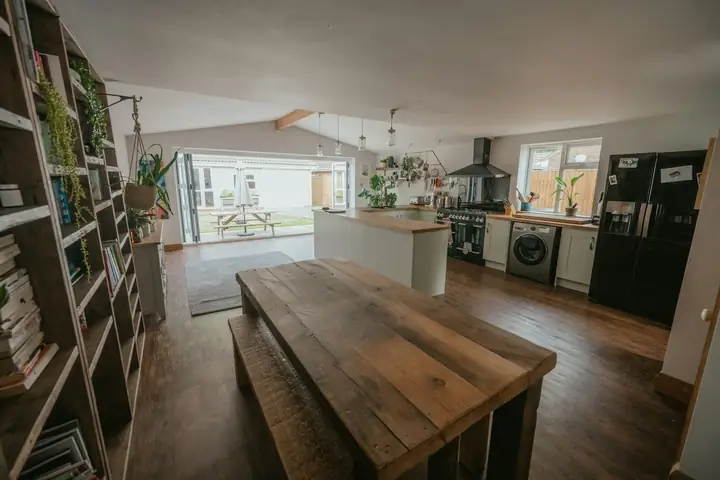
The more glass faces south or west, the bigger the difference.

We check your glass first
Not every film suits every window. Before we recommend anything, we check what you've actually got from your photos and video, so the film performs properly and your glass stays safe.
- Glass type. Single, double or triple glazed, toughened, laminated or annealed.
- Coatings. Low-E and self-cleaning coatings change which films are suitable.
- Thermal stress. Size, shading and orientation, so the film won't put the glass at risk.
If we can't tell from what you've sent, we'll ask for one more photo, usually the small stamp in the corner of the glass. No home visit needed to quote.
Solar film questions
Will it make my rooms dark?
Only if you want it to. Spectrally selective film cuts a lot of heat while staying close to clear. The darker shades are for glare and privacy, and we'll talk you through how each shade will look before you choose.
Is window film safe on double glazing?
On most units, yes. Some film and glass combinations put extra heat stress on the glass, so we check what glass you have before we quote and only fit film that suits it.
Will film help in my conservatory?
Yes. Solar control film on conservatory glass takes out much of the heat and glare, so the room is usable through summer. For polycarbonate roofs we'll talk you through the options.
Can people see in at night?
Mirrored and tinted films give privacy in daylight because it's brighter outside than in. At night with your lights on, that flips. If you need privacy round the clock, go frosted.
Will solar film help with air conditioning?
Cutting the solar heat coming through the glass reduces how hard the cooling has to work in sunny rooms. How much depends on the building, the glass and how much of it faces the sun.
Cooler rooms, same view
Tell us which windows get the sun. Send us photos and we'll send a fixed written quote.